
What Is Financial Literacy and Why Does It Matter?
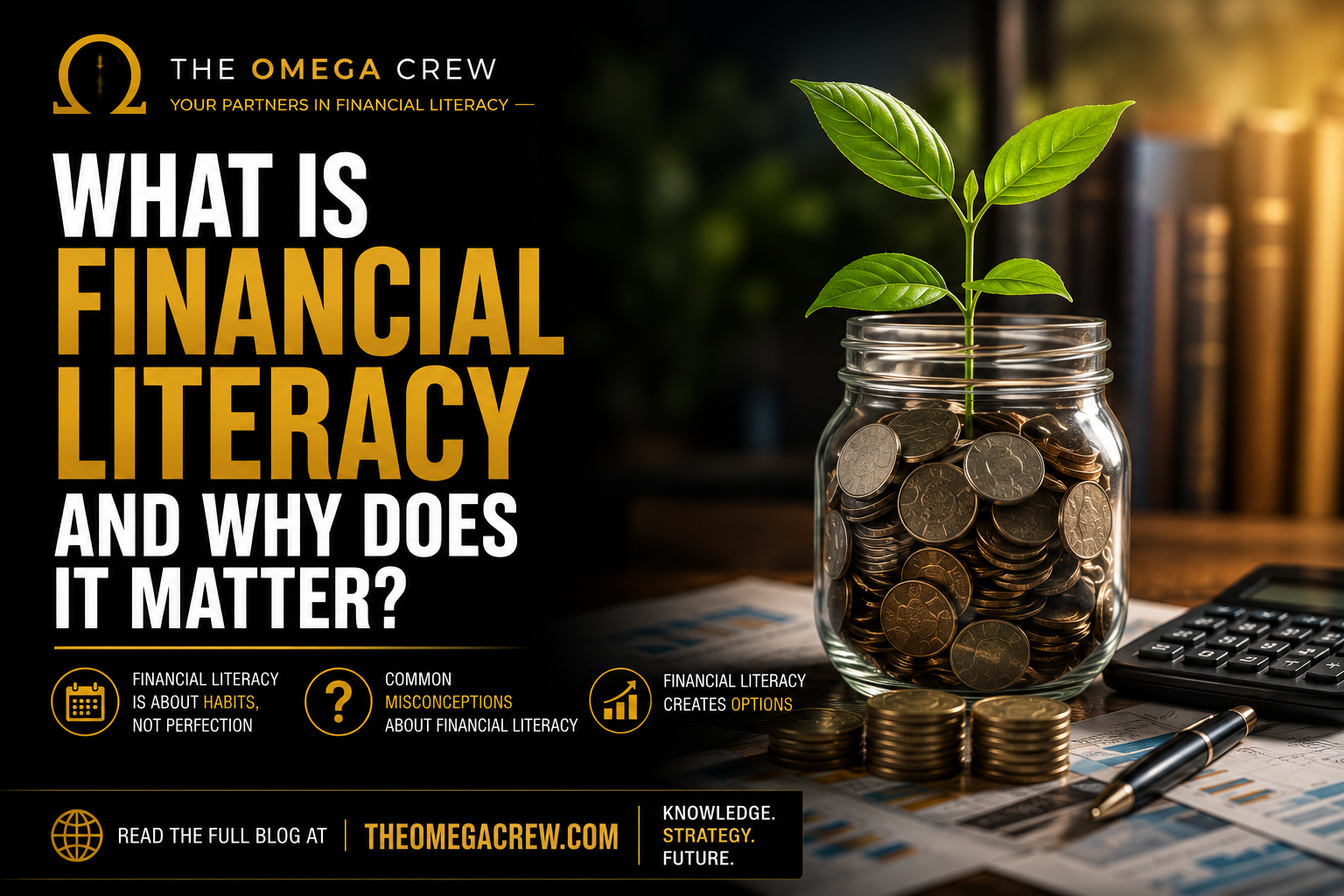
Understanding Money Is One of Life's Most Important Skills
Most people spend years learning math, science, history, and technology.
But very few people are taught how money works.
That's where financial literacy comes in.
Financial literacy is the ability to understand and make informed decisions about money. It includes topics such as budgeting, saving, managing debt, understanding insurance, preparing for retirement, and developing long-term financial habits.
It's not about how much money you make.
It's about how well you understand the choices available to you and how those choices can impact your future.
Why Financial Literacy Matters
Money affects nearly every aspect of life.
It influences where we live, how we care for our families, the opportunities we pursue, and the options we have during unexpected situations.
Yet many people make important financial decisions without fully understanding their choices.
Financial literacy helps individuals:
Create and follow a budget
Understand the importance of saving
Learn the difference between assets and liabilities
Manage debt responsibly
Prepare for short-term and long-term goals
Understand the role of insurance and risk management
Make informed decisions about retirement planning
The more informed you are, the more confidently you can navigate financial decisions.
Financial Literacy Is About Habits, Not Perfection
You don't need to be a financial expert to improve your financial literacy.
In fact, most financially responsible people started by learning simple habits:
Tracking their expenses
Setting financial goals
Building an emergency fund
Asking questions before making major decisions
Seeking educational resources and professional guidance when appropriate
Small, consistent actions often have a meaningful impact over time.
Financial literacy is not a destination.
It's an ongoing process of learning and applying knowledge.
Common Misconceptions About Financial Literacy
Many people believe:
"I don't make enough money to learn about finances."
Financial literacy is valuable regardless of income level. Understanding how money works can help people make informed decisions at every stage of life.
"I'll learn when I get older."
The earlier someone begins learning financial concepts, the more time they have to develop healthy habits and prepare for future goals.
"Financial topics are too complicated."
While some financial topics can be complex, many important principles are straightforward and can be learned step by step.
Financial Literacy Creates Options
Financial literacy doesn't guarantee specific outcomes.
However, it can help individuals become more aware of their choices, ask better questions, and make decisions that align with their goals and values.
Knowledge creates confidence.
Confidence creates action.
And informed action can help people move toward the future they envision for themselves and their families.
Final Thoughts
Financial literacy is one of the most valuable skills a person can develop.
It isn't reserved for financial professionals or people with large incomes.
It's for students beginning their careers.
It's for families planning for the future.
It's for entrepreneurs building businesses.
And it's for anyone who wants to better understand the role money plays in their lives.
The goal isn't to know everything.
The goal is to keep learning, keep asking questions, and keep making informed decisions that support your long-term goals.
This article is intended for educational purposes only and should not be construed as financial, tax, legal, or investment advice. Individuals should consult qualified professionals regarding their specific circumstances.
